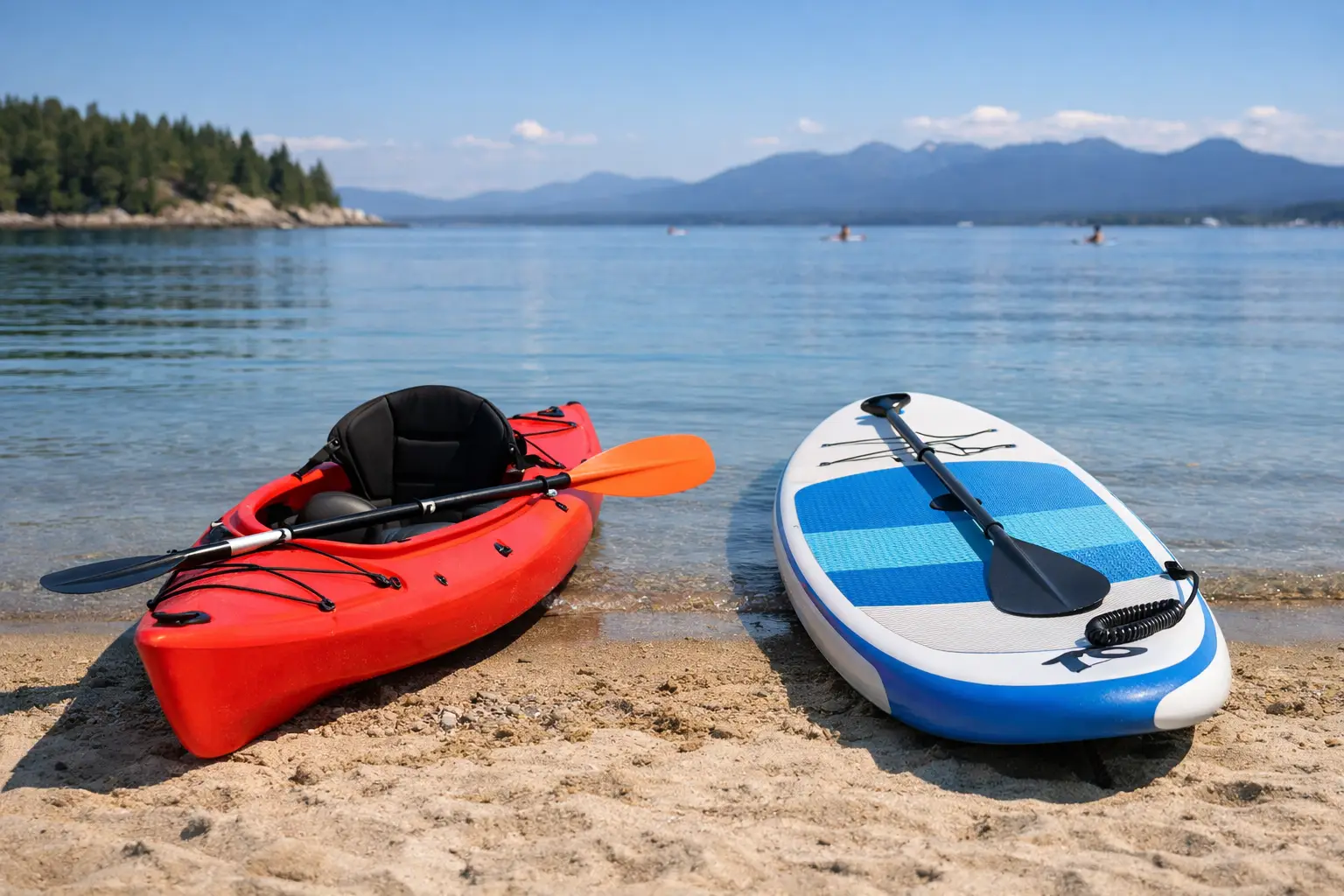
Some people figure this out in about 30 seconds. They stand on the beach, look at the water, and instantly know whether they want to sit low and cruise or stand up and glide. If you are still deciding between a kayak or paddleboard for beginners, that is completely normal – and getting it right can make the difference between a fun beach day and an awkward hour of fighting your gear.
In Mulegé, that choice matters even more because the water invites you to do more than just float near shore. You can drift over clear shallows, work along the coastline, and check out quiet spots that look even better from the water than they do from the sand. The best pick is not about what looks cooler in photos. It is about how you want to move, how comfortable you want to feel, and who is joining you.
Kayak or paddleboard for beginners: the quick answer
If you want the easiest first outing, most beginners feel comfortable in a kayak faster. You sit down, your center of gravity stays low, and the learning curve is usually gentler in the first few minutes. That makes kayaking a strong choice for travelers who want to relax, cover a little distance, or bring a child along without turning the outing into a balance test.
If you want a more active, open-air experience, a paddleboard often feels more fun once you settle in. You can start on your knees, stand when ready, and enjoy a better view into the water below. For calm conditions and short sessions close to shore, paddleboarding is often easier than people expect.
So the short version is this: choose a kayak if your top priority is comfort and stability. Choose a paddleboard if your top priority is freedom, movement, and that classic on-the-water vacation feeling.
What feels easier on your first day?
A kayak usually wins the first 10 minutes. You get in, sit down, and start paddling with a motion that feels pretty intuitive. Even if your technique is messy, you can still move forward and feel in control. That is a big confidence boost for beginners who do not want to spend half their beach time learning the basics.
A paddleboard asks for a little more patience at the start. Getting on the board, finding your balance, and figuring out where to place your feet can feel awkward at first. The good news is that most first-timers do not need to stand immediately. Kneeling first is smart, normal, and often the fastest way to get comfortable.
This is where expectations matter. If your idea of fun is a low-stress cruise, kayaking often feels easier right away. If you do not mind a few wobbly moments in exchange for a more playful experience, paddleboarding can be a better fit.
Stability, comfort, and how much energy you want to spend
For many travelers, the real question is not kayak or paddleboard for beginners. It is whether they want to work a little or fully coast.
Kayaks tend to feel more secure, especially for adults who are nervous about tipping or who have not done much on the water before. Sitting down also takes pressure off your legs and feet. On a warm vacation day, that can be the difference between staying out longer and heading back in early.
Paddleboards are more physical. You use your legs for balance, your core for stability, and your shoulders for paddling. That extra effort is exactly why some people love them. It feels more active, more athletic, and more connected to the water. But if you are tired, sun-soaked, or just not in the mood for a mini workout, a board can start feeling like more than you bargained for.
There is also the comfort factor of getting wet. On a kayak, you may stay mostly dry in calm water. On a paddleboard, even careful beginners often end up splashing, kneeling in water, or hopping off to cool down. Some people see that as part of the fun. Others would rather avoid the surprise swim.
Which one is better for sightseeing in Mulegé?
That depends on what kind of sightseeing you mean.
A kayak is great if you want to cover more water with less drama. It is easier to settle into a rhythm, especially if you are exploring a stretch of coast or taking a longer casual ride. If you are the kind of traveler who wants to launch, paddle, and keep moving, a kayak is a strong match.
A paddleboard gives you a higher vantage point, which can be a huge plus over clear water. You can spot changes in the bottom, watch fish move beneath you, and enjoy that wide-open feeling that comes from standing above the surface. On calm mornings, that view is hard to beat.
For hidden coves, quiet inlets, and easy shoreline exploration, both can be great. The better choice comes down to pace. Kayaks are better for steady cruising. Paddleboards are better for short, scenic sessions where the journey feels just as important as the destination.
Who are you going with?
This matters more than most beginners think.
If you are heading out as a couple and one person is hesitant, kayaks can make the whole outing feel more approachable. Nobody wants a vacation argument because one person wanted adventure and the other person wanted to avoid falling in. A kayak often keeps everyone in the fun zone.
For families, a kayak can be the easier starting point, especially with younger kids or adults who want a little more control. If your group includes mixed confidence levels, kayaks usually create less stress and more actual exploring.
For friend groups, paddleboards can be a blast. They are social, playful, and perfect for those moments when somebody falls in and everybody laughs instead of panics. If your group likes trying things, taking photos, and keeping the energy high, boards can turn a simple rental into one of the most memorable parts of the trip.
Conditions matter more than gear trends
People sometimes choose based on what they have seen online. That is not always the best move.
On calm, glassy water, paddleboards are beginner-friendly and seriously fun. On choppier water or breezy afternoons, kayaks usually become the easier and more forgiving option. Wind affects both, but beginners often feel it more on a paddleboard because they are standing higher and fighting balance at the same time.
That is why local guidance matters. The right call can change based on the time of day, weather, and where you plan to launch. A first-time paddler does not need a complicated lecture. You just need honest direction on what will feel good out there today.
How to choose the right one for you
Pick a kayak if you want a smoother learning curve, better seated comfort, and a more relaxed ride. It is usually the safer bet for nervous beginners, longer outings, and groups with different comfort levels.
Pick a paddleboard if you want a more active experience, better water views, and that satisfying feeling of standing up and gliding across the surface. It is a great choice for calm conditions, shorter sessions, and travelers who want their beach day to feel a little more hands-on.
If you are still torn, think about your honest vacation mood. Do you want to explore with minimal effort, or do you want to stop watching and start doing? That answer usually makes the decision pretty fast.
The best beginner choice is the one you will actually enjoy
There is no prize for picking the trendier option. The best first ride is the one that fits your energy, your group, and the conditions you are actually going out in. In Mulegé, both can lead to clear water, quiet shoreline moments, and the kind of beach memory that sticks long after the trip ends.
If you want a local tip, many first-timers do best when they keep the first outing simple – calm water, manageable time on the water, and gear that matches how they want the day to feel. That is exactly where Mulegé Madness helps people skip the guesswork and get straight to the good part.
Choose the ride that makes you excited to launch, not the one you think you are supposed to choose. That is how beginner outings turn into the highlight of the trip.