
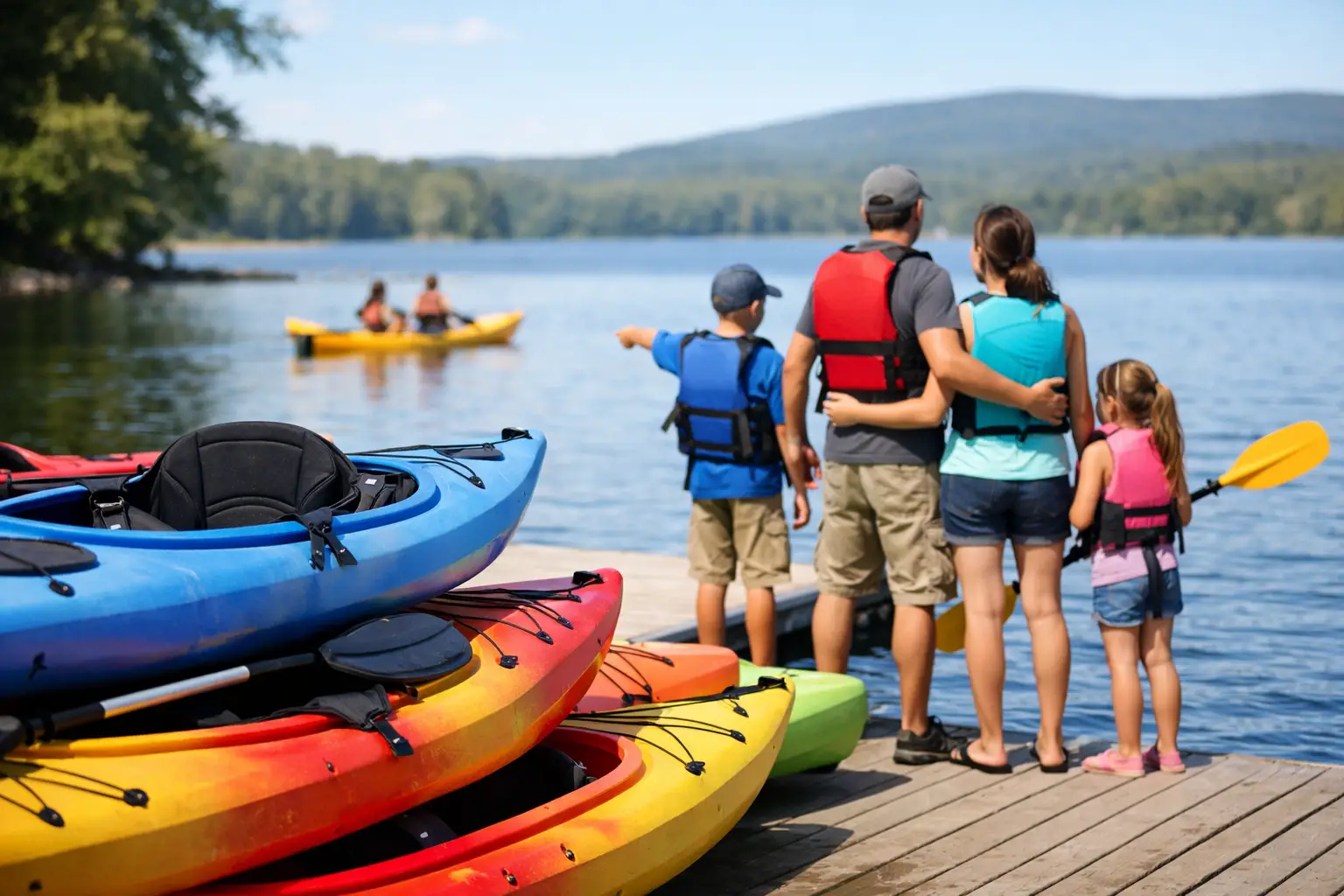
The fastest way to ruin a beach day is booking the wrong kayak and realizing it once the kids are already in life jackets. If you’re wondering how to choose family kayak rentals, start with one simple truth – the best rental is not the fastest or the fanciest. It’s the one that fits your group, your plan, and your comfort level on the water.
In Mulegé, that matters even more. A calm morning paddle near shore can turn into a completely different outing if your boat is too small, too tippy, or loaded with gear you didn’t plan for. When you get the choice right, though, kayaking stops feeling like a rental decision and starts feeling like the best part of the trip.
How to choose family kayak rentals for your group
Start with who is actually going in the kayak, not just how many people are in your party. A family of two adults and one small child has very different needs than two adults, a teenager, and beach bags packed like you’re moving in for the week.
The first question is whether you need single, tandem, or larger sit-on-top options. For most vacationing families, stability beats speed every time. Sit-on-top kayaks are usually the easiest choice for beginners because they feel more open, are easier to get on and off, and are less stressful if someone gets splashed or wants to hop off in shallow water. They are especially practical for warm-weather destinations where a little water in the boat is no big deal.
Tandems can be great for a parent and child, or for two adults who want to stay together rather than manage separate boats. But there is a trade-off. Tandem kayaks only work well when both paddlers are reasonably coordinated and comfortable sharing the rhythm. If one person wants to cruise and the other wants to zigzag after fish, it can turn into a workout nobody asked for.
If you have younger kids, ask whether they will ride as passengers or paddle part of the time. A child who is excited on the beach may get tired ten minutes in. That is normal. The right family setup leaves room for that reality instead of assuming everybody will perform like a guided expedition team.
Stability matters more than performance
Vacation paddling is not a race. If your goal is exploring calm water, checking out the shoreline, or reaching a quiet cove without drama, choose the most stable option available.
A wider kayak generally feels steadier, which helps new paddlers relax. That matters because confidence changes the whole experience. Nervous paddlers grip too hard, paddle awkwardly, and tire out fast. A stable boat lets everyone enjoy the scenery, look for marine life, and actually have fun instead of spending the whole outing trying not to tip.
This is one of the biggest mistakes families make when deciding how to choose family kayak rentals. They assume a sleeker kayak must be better. Better for what? If you’re not covering long distances or dealing with advanced conditions, comfort and ease usually win.
Sit-on-top vs. sit-inside for families
For most visitors, sit-on-top kayaks are the easier family pick. They are simple to board from a beach, forgiving for beginners, and better suited to warm coastal outings. Kids usually feel less boxed in, and adults appreciate not having to manage a more technical setup.
Sit-inside kayaks can be more efficient in some conditions, but they are often a better match for paddlers with more experience or for outings where protection from wind and splash is a bigger priority. On a laid-back family beach day, simple usually beats technical.
Match the rental to your actual route
Before you reserve anything, think about the paddle you really want. Are you planning a short outing near shore? A scenic float in calm water? A longer excursion with snorkeling stops and beach breaks? Your route should shape your rental choice.
For a short family paddle, prioritize easy entry, comfortable seating, and room for a dry bag, water, and a few essentials. For a longer outing, comfort becomes even more important. Seats, legroom, and storage space start to matter a lot once you’re out longer than expected.
This is where local advice can save your trip. Conditions in the Sea of Cortez can vary by beach, time of day, and wind. A kayak that works perfectly for one stretch of shoreline may not be the smartest choice somewhere else. Booking with a local rental team that knows the area helps you avoid guessing.
Morning vs. afternoon conditions
If you’re traveling with kids or first-time paddlers, morning is usually the smart move. Water is often calmer, temperatures are friendlier, and energy levels are higher. That means you can often choose based on comfort and group size instead of worrying about how everybody will handle bumpier water later in the day.
If you know you’ll be heading out later, ask for recommendations based on likely conditions. That kind of local guidance is worth more than any product description.
Don’t ignore weight capacity and gear space
One of the least exciting details is also one of the most important. Weight capacity is not just about whether the kayak technically floats. It affects stability, tracking, and comfort.
If a rental is near its limit once you add two adults, a child, towels, water, and a small cooler, that’s not a good fit. An overloaded kayak rides lower, feels sluggish, and gets less forgiving when people shift around. Families do better when they leave some margin instead of maxing everything out.
Also think about what you’re bringing. Water, sunscreen, hats, snacks, and a phone dry bag sound small until they are all competing for the same few inches of space. If your outing includes snorkeling gear or other beach extras, room becomes even more valuable.
Safety should feel easy, not complicated
The right rental company makes safety feel straightforward. You should be able to get properly sized life jackets, clear instructions, and a realistic recommendation for your skill level without having to push for it.
That matters with families because confidence comes from clarity. You want to know how to board, how to paddle efficiently, what to do if someone gets tired, and where conditions are friendliest for your group. Good rental support does not try to impress you with jargon. It helps you get on the water with fewer surprises.
If you are traveling with small children, ask direct questions. Is this kayak stable for beginners? Is this route manageable for young riders? How much time is realistic before kids fade? A trustworthy outfitter will answer honestly, even if that means steering you toward a shorter, easier outing.
Convenience changes the whole experience
Families already manage enough logistics. Parking, snacks, sunscreen, towels, wet clothes, changing plans – it adds up fast. When you’re choosing a rental, convenience is not a bonus. It’s part of the value.
Online reservations help you lock in gear before the day gets away from you. Delivery and pickup can save a surprising amount of time and energy, especially when you’re juggling multiple people and trying to make the most of a short stay. Secure payment and clear communication matter too, because vacation time is too limited for messy arrangements.
This is where a local business like Mulegé Madness stands out. You’re not just getting a kayak. You’re getting practical help from people who know the beaches, understand the conditions, and want your family to spend less time figuring things out and more time out on the water.
A few signs you’ve found the right rental
You probably have the right choice if everyone can get in and out without stress, the kayak has enough room for people and basics, and the route fits your group’s energy level. You should feel like the plan is realistic, not ambitious just for the sake of it.
The best family kayak rental is the one that makes hidden coves, clear water, and an easygoing day feel accessible. Not heroic. Not complicated. Just fun.
If you’re still deciding how to choose family kayak rentals, keep it simple – choose stability over speed, comfort over hype, and local guidance over guesswork. The right setup lets your crew stop watching the coastline from shore and start making the kind of Mulegé memories you’ll talk about long after the sand is gone from the car.